Sticky post

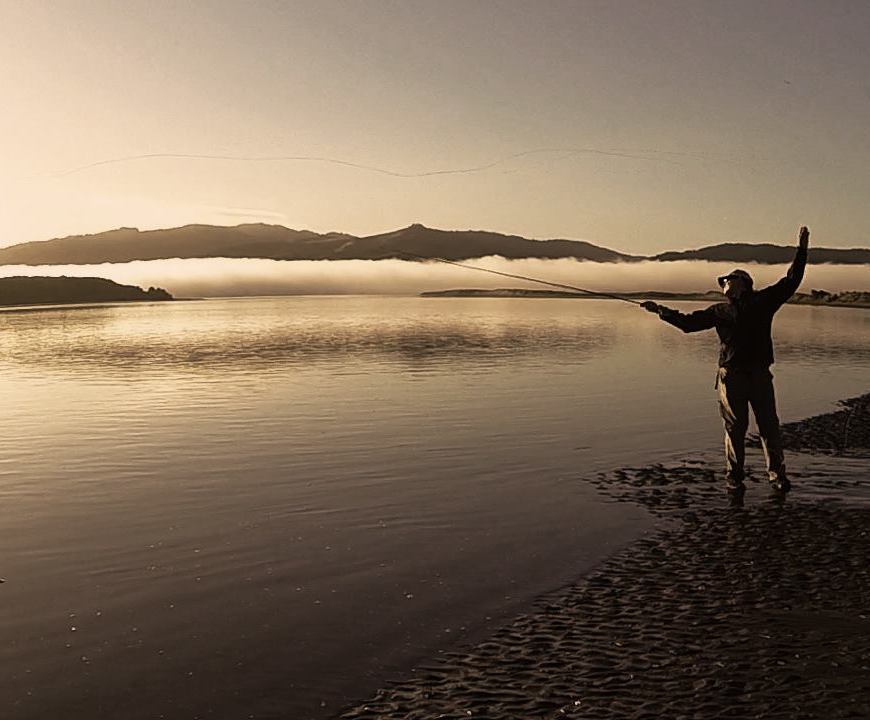
WHY IS FLY FISHING IN FRESHWATER BETTER AT NIGHT?

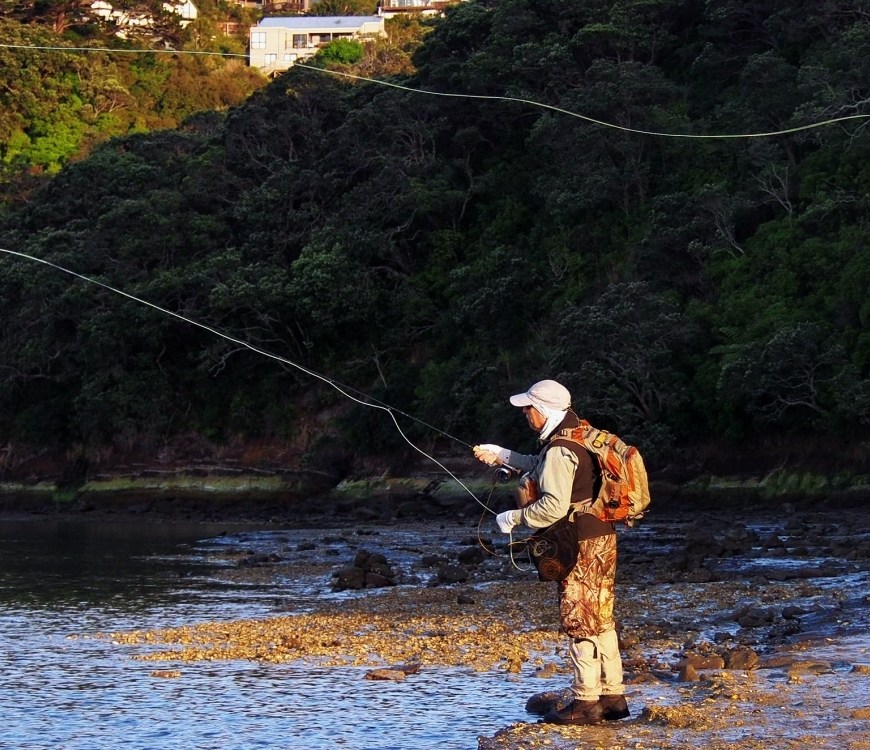
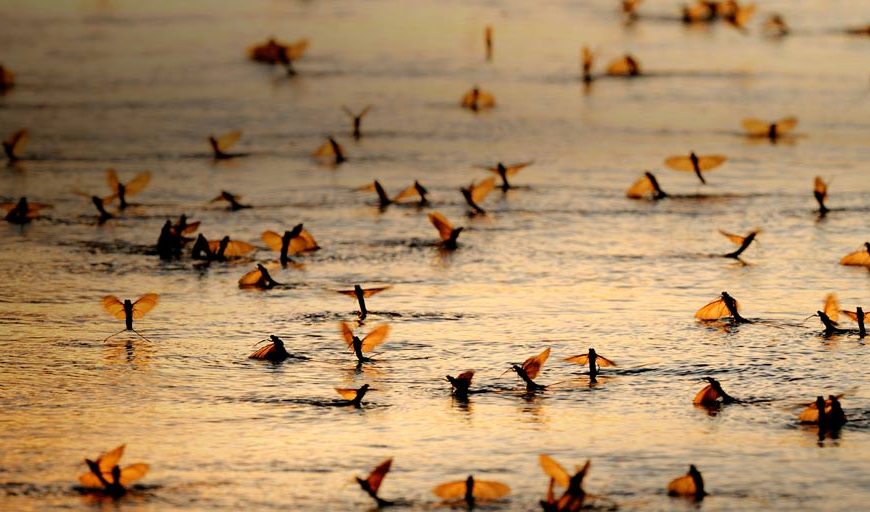
Most rivers in NZ have an evening rise when trout seem to appear from nowhere to feed on insects. More fish seem to rise to flies on the surface after dark than during the day. Why is this so and can it be explained scientifically? Dr Mike Ladle, a retired UK fisheries ecologist, spent many years studying this phenomenon and shares some of his insights … Continue reading WHY IS FLY FISHING IN FRESHWATER BETTER AT NIGHT?

FIGHTING FISH FROM THE SHORE

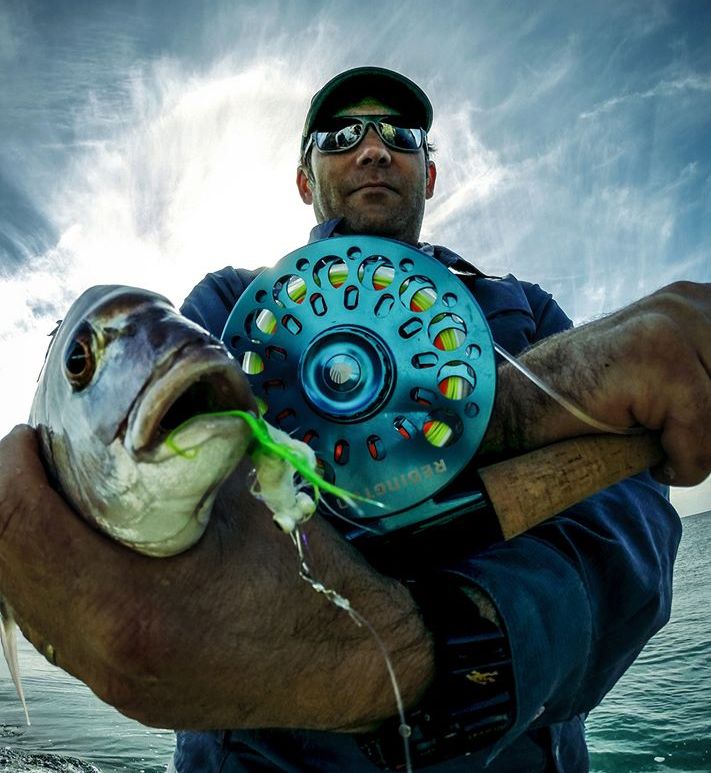
When I was young and starting out on my shore based fishing journey all of the focus was on hooking the fish. The process of fighting fish once they were hooked was almost an afterthought. My father really only had four pieces of advice and when I did hook up on my first trout he pretty much left me to my own devices which, unfortunately, often … Continue reading FIGHTING FISH FROM THE SHORE

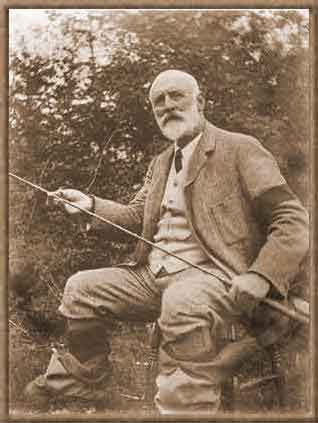
FREDERIC HALFORD – THE HIGH PRIEST OF DRY FLY PURISM

Recently I’ve been reading some articles written by Tony Hayter about the high priest of dry fly purism, Frederic Halford. The following passage in particular piqued my interest. “Once upon a time there was a Jewish businessman called Fred Hyam. He made his pile, as did many others, from the “rag trade”. He worked hard, and in his spare time fished the Thames for bream, barbel … Continue reading FREDERIC HALFORD – THE HIGH PRIEST OF DRY FLY PURISM

Sticky post

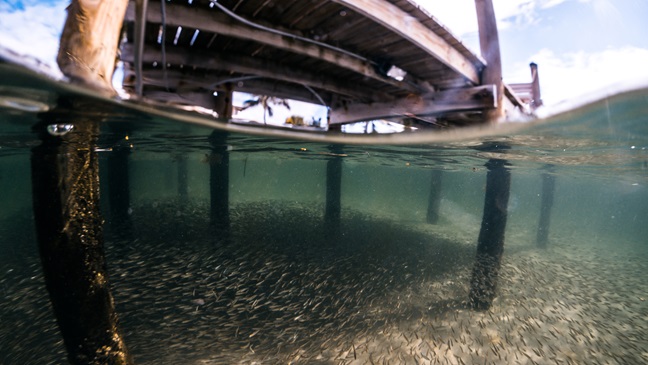
WHY PREDATORY FISH USE SHADE TO AMBUSH PREY

Predators are very skilled at using shade to ambush prey. Whether it be hiding in wait under a moored boat or wharf, attacking prey in the margins at dawn when the light angle is low and the prey is staring directly into the rising sun or hiding behind a sunken obstruction in a river, predators regularly use shade to improve their chances of success when feeding. … Continue reading WHY PREDATORY FISH USE SHADE TO AMBUSH PREY

Sticky post

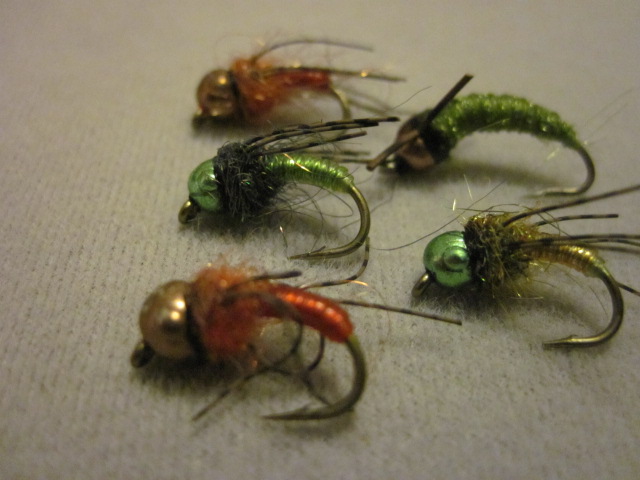
SINK RATES OF FLIES TIED WITH TUNGSTEN AND BRASS BEADS

Getting down to the bottom of the river is critical for success when fishing weighted nymphs. Fly fishermen use a variety of techniques to do this, mainly by adding lead split shot to the trace or incorporating brass or tungsten beads into their nymph patterns. Common logic is that materials with high bulk densities, such as Tungsten, sink fastest and that the heavier the bead … Continue reading SINK RATES OF FLIES TIED WITH TUNGSTEN AND BRASS BEADS

Sticky post

HOOK PENETRATION

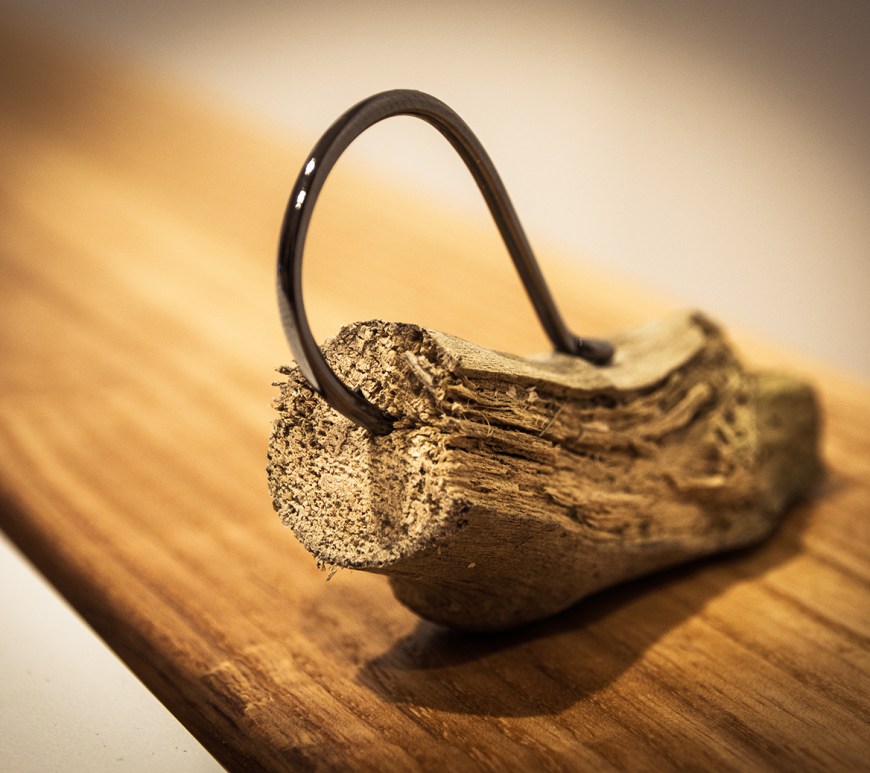
Hook penetration is one of the most important aspects of fishing and probably the least well understood. The aim of this article is to help clear up some of the confusion. The sharpness, length and profile of the point all govern how far the hook point will penetrate into the flesh in and around the mouth of a fish. The barb is the projection extending backwards … Continue reading HOOK PENETRATION