HOW TO FISH SOFT PLASTIC LURES

Soft plastics, or soft baits, were not readily available in New Zealand until the early 21st Century. Since then the growth in popularity of these lures has been phenomenal due to their success in catching a wide variety of fish species. I started using them in the late 1990’s when I imported some Sassy shads from the USA. They were an immediate success, especially on … Continue reading HOW TO FISH SOFT PLASTIC LURES

UNDERSTANDING FLOW BEHAVIOUR IN RIVERS

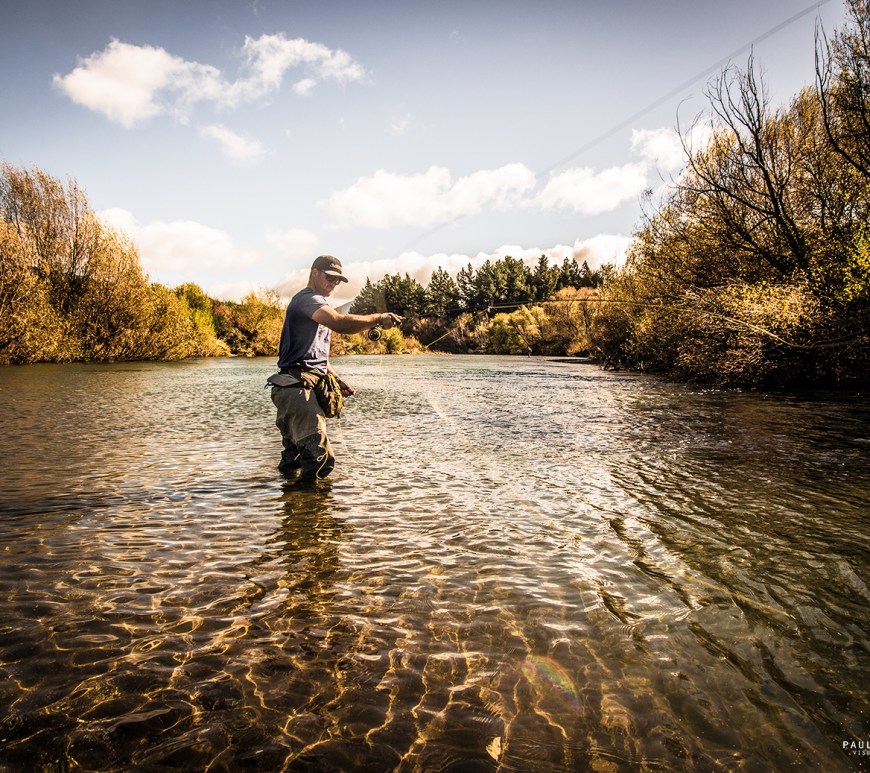
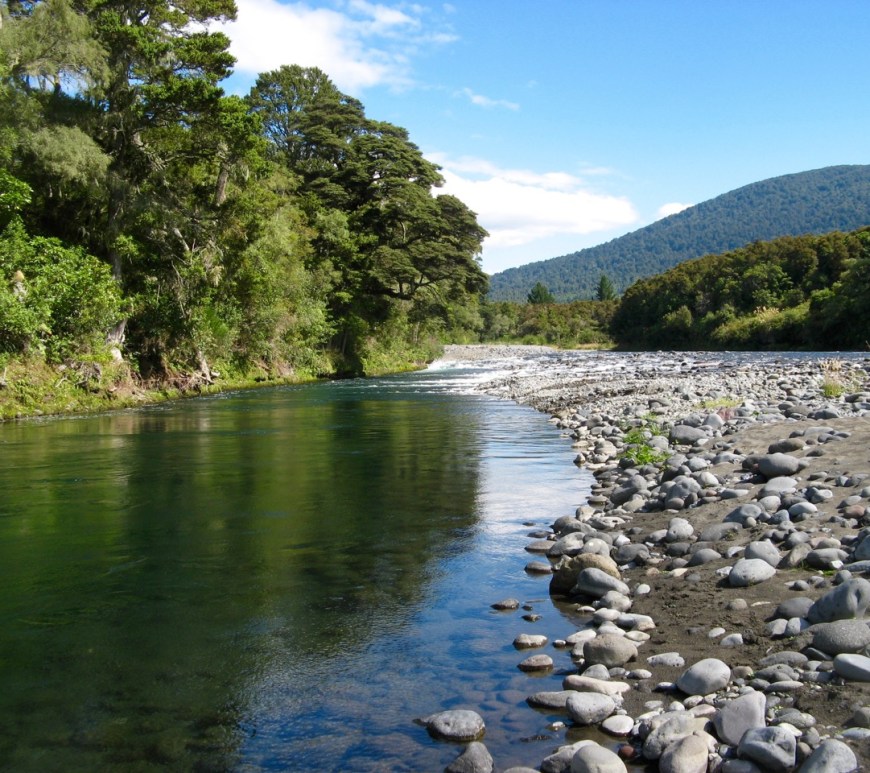
Text: Alan Bulmer & Mike Ladle     Images: Ross Baker (Tongariro River Motel) One of the biggest challenges facing wet fly or nymph anglers fishing in rivers is to figure out what the current is doing below the surface. If you can understand this then it makes it easier to identify where the trout will be holding and hatch a plan to effectively present a fly … Continue reading UNDERSTANDING FLOW BEHAVIOUR IN RIVERS

Sticky post

AVOIDING WIND KNOTS WITH BRAID

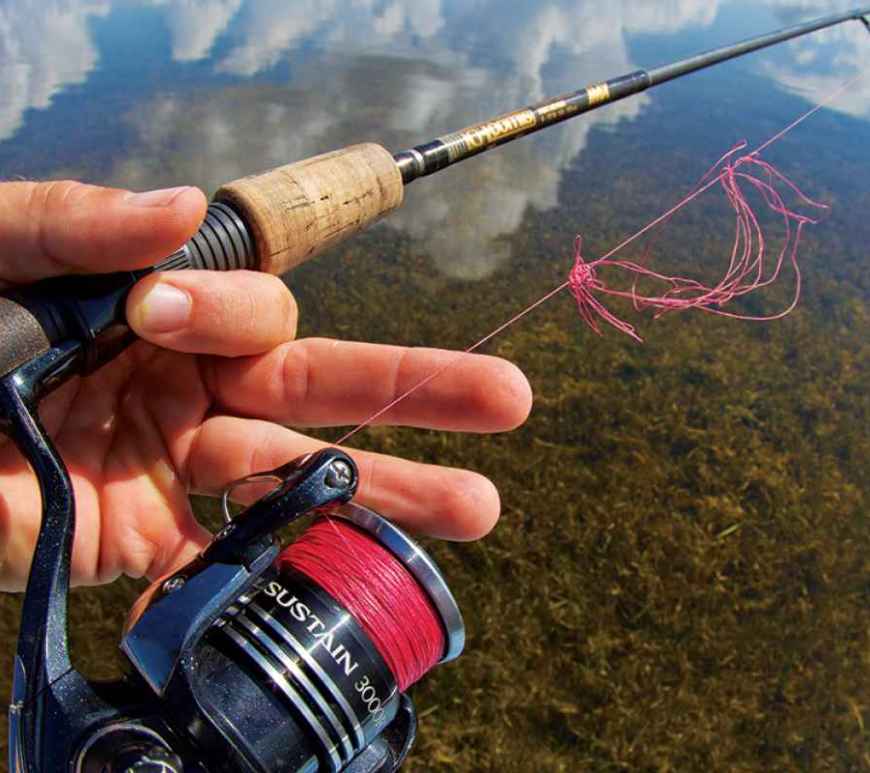
Text: Alan Bulmer     Lead image: Sport Fishing magazine Gel Spun Polyethylene (GSP) fishing lines get their strength from the weaving or laminating of many polyethylene fibres. True braids, as their name suggests, achieve this by ‘braiding’ fibres together while fused braids use a proprietary form of ‘heat welding’ the fibres together. Fused GSP lines are generally cheaper, stiffer and thicker than braid of … Continue reading AVOIDING WIND KNOTS WITH BRAID

DEMYSTIFYING INDICATOR NYMPHING

Text: Alan Bulmer & Tony Bishop     Featured Image: Paul Smith Indicator nymphing, especially as it is practiced on the Tongariro River in NZ, can be a tricky art to master. Due to the large volume of water typically flowing down the Tongariro, the typical nymph rig for the turbulent, deep runs is a couple of tungsten bead head nymphs suspended below a yarn indicator. Often the … Continue reading DEMYSTIFYING INDICATOR NYMPHING

STRATEGIES FOR DEALING WITH THE WIND

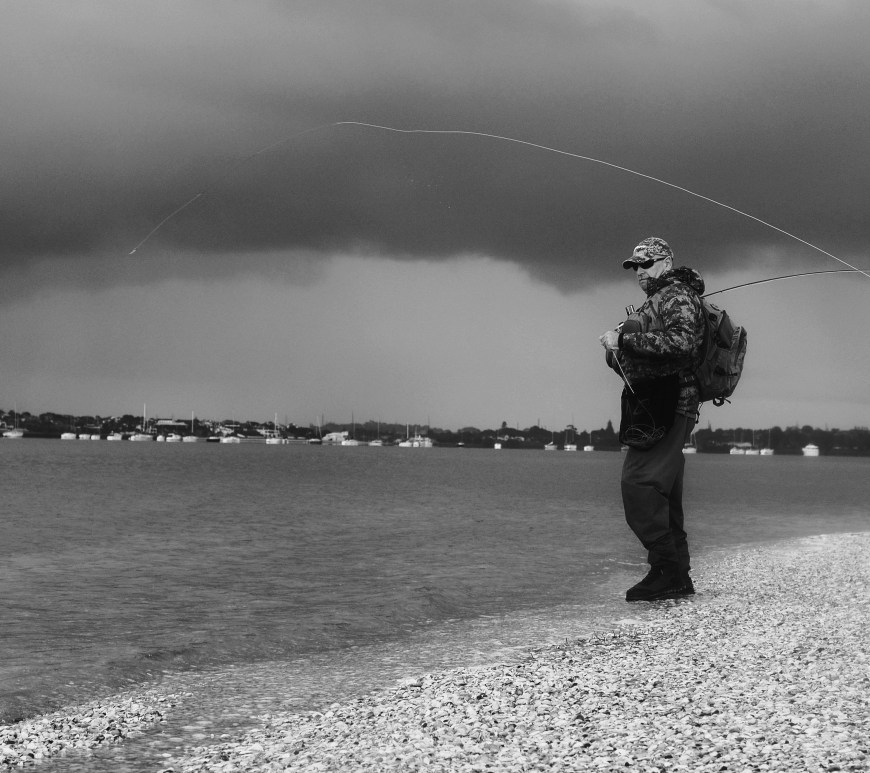
Text: Alan Bulmer      Lead Image: Mark Hoffman New Zealand is a long narrow country and no point is more than 120 kilometres from the sea. This peculiar geography, coupled with  differential heating and cooling of land and water during the day, means that irrespective of where you are wind is likely to feature at some point during the day. If you do not … Continue reading STRATEGIES FOR DEALING WITH THE WIND

FISHING SWIRLING EDDIES

Text: Alan Bulmer & Tony Bishop For many years I found swirling eddies amongst the most tricky places to fish. This was probably because the current flows were typically powerful, turbulent and unpredictable. Swirling eddies are often formed where the river changes direction abruptly and are generally deep and difficult to see into. Trout, especially those moving upstream on spawning runs or dropping back downstream … Continue reading FISHING SWIRLING EDDIES

WHAT DO PERCH EAT?

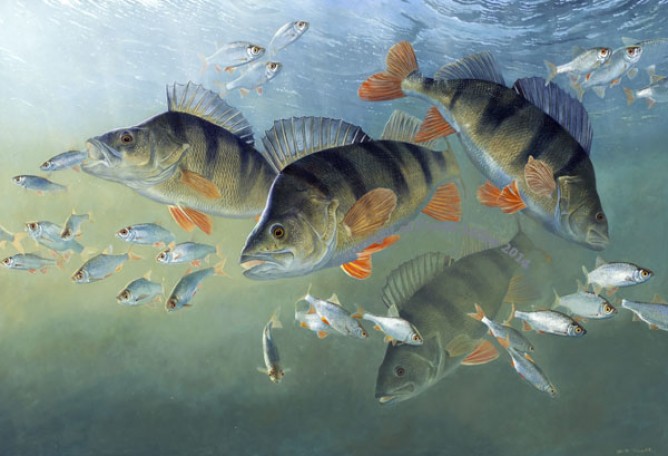
Text: Mike Ladle and Alan Bulmer   Featured image: David Miller – Striped Assassins This article from retired UK marine biologist Dr Mike Ladle looks at the scientific studies conducted on perch (Redfin) in Europe to find out what they eat throughout the year. While the research was conducted in the Northern hemisphere it is very likely that the discoveries also hold true in the … Continue reading WHAT DO PERCH EAT?

Sticky post

THE FLUOROCARBON MYTH

For several years I’ve had a growing feeling that fluorocarbon monofilament simply does not live up to the marketing hype. It is twice as expensive as nylon monofilament but is it twice as good in terms of performance? The short answer is No and this piece will explain why. Recently I lost a large kingfish from the shore after a torrid 20 minute “no holds barred” … Continue reading THE FLUOROCARBON MYTH

HOW CARP FEED

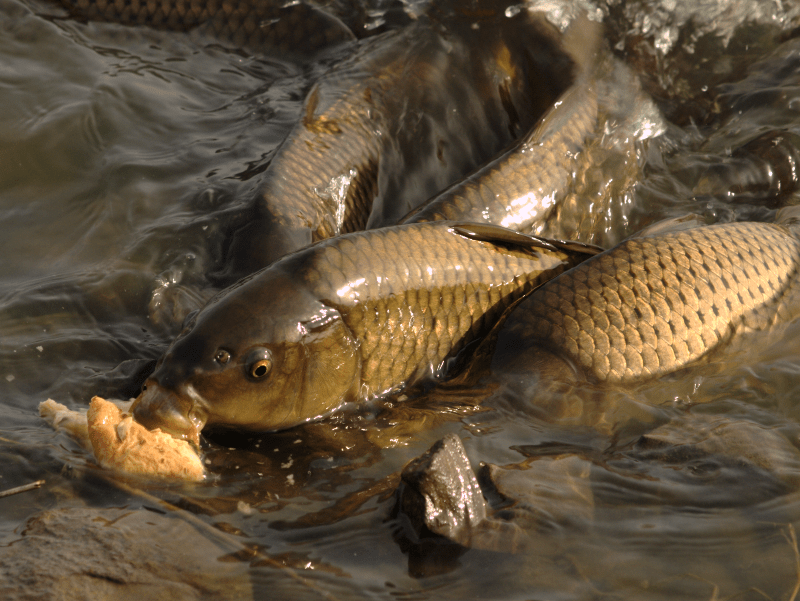
This fascinating piece from Dr Mike Ladle looks at the mechanics of how carp feed. This information summarises many of the scientific experiments that have been undertaken and is invaluable in helping an angler time the strike to maximise the likelihood of a solid hook set. “Like most anglers I have often wondered what was happening at the far end of my line – usually … Continue reading HOW CARP FEED

Sticky post

WHY YOU SHOULD ADJUST THE REEL DRAG DURING THE FIGHT

Text: Alan Bulmer                        Lead image: Sportquest Recently I read a chapter on drag systems from the 2007 book “Fishing Techniques” by Steve Cooper (ISBN 1865131067, 9781865131061). It really got me thinking as it raised some excellent points. Cooper stated that “drags should be set at 25% of the lines breaking strain with a full spool of line. To make sure that the setting is correct use an accurate … Continue reading WHY YOU SHOULD ADJUST THE REEL DRAG DURING THE FIGHT