WINTER FISHING TIPS

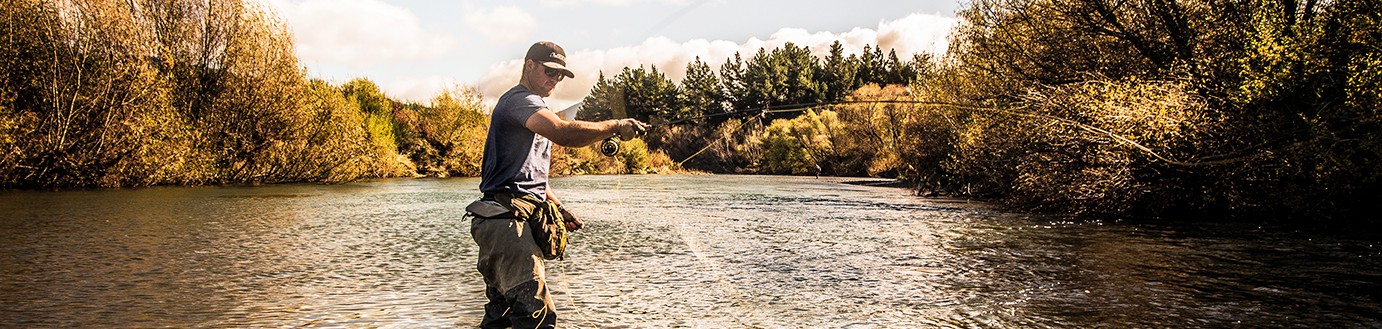
Most people tend to put away their fishing gear at the end of autumn or fish less frequently during the winter. Aside from the fact that the atmospheric conditions are often uncomfortable, people believe that it is more difficult to catch fish during winter with the same regularity as over the warmer months. Is this really the case? In my experience winter fishing in the … Continue reading WINTER FISHING TIPS

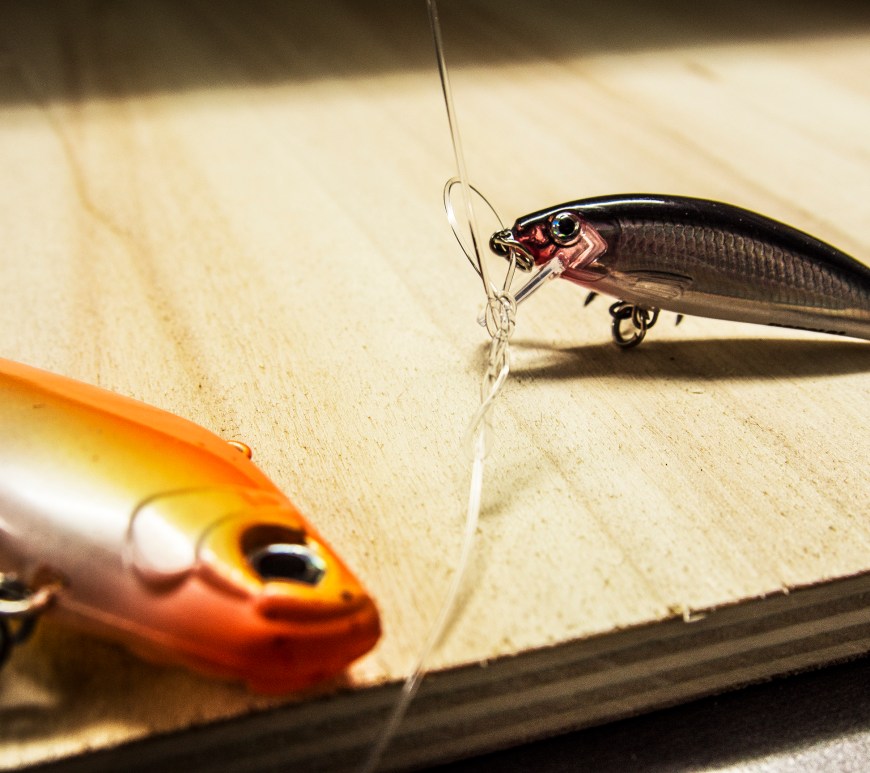
HOW TO TIE FISHING KNOTS PROPERLY AND SECURELY

“Author Tony Bishop” link: http://www.bishfish.co.nz/main/about.htm “Many years ago we stumbled across Tony Bishop’s book “Fishing Smarter for Trout” and were really impressed at the systematic and scientific way that he approached fly fishing. All of his books are written in the same thoughtful and easy to read style. One of the things that Tony highlighted in his subsequent books was the importance of knots. He … Continue reading HOW TO TIE FISHING KNOTS PROPERLY AND SECURELY

STALKING THE FLATS FOR SNAPPER

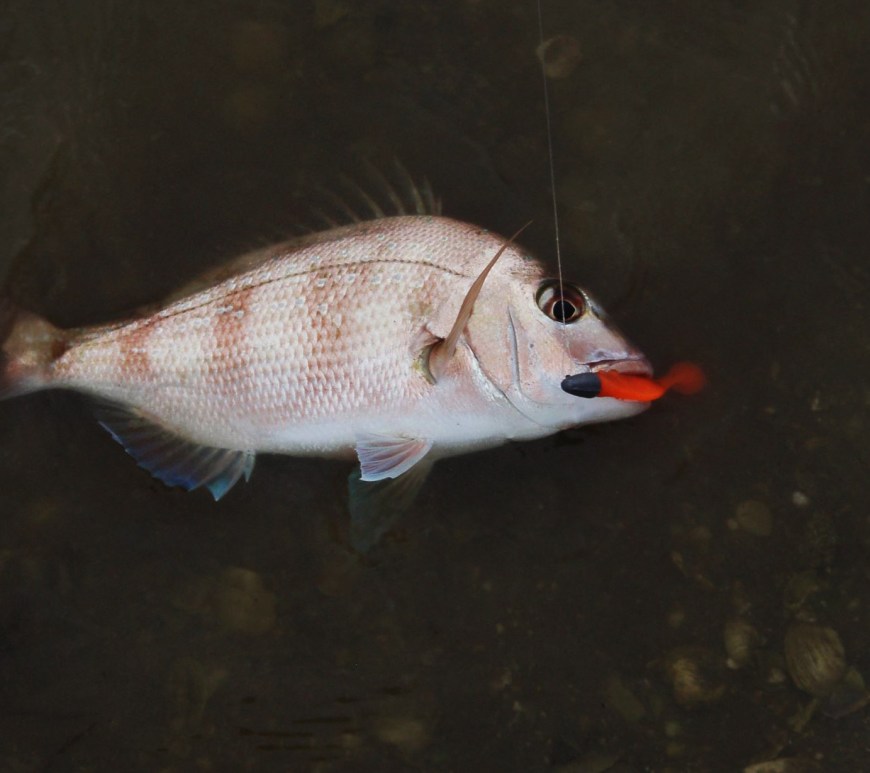
In Stalking the flats – Part 2, I discussed what to look for when walking across the flats. I mentioned that “I am always on the look-out for freshly dug depressions in the sand and shell, roughly 0.5 – 1 metre in diameter. These depressions are often easy to spot as entire areas will be pockmarked with them and they are surrounded by piles of … Continue reading STALKING THE FLATS FOR SNAPPER

ROD HANDLES – CORK OR EVA FOAM

Text: Alan Bulmer                        Lead image: Mark Hoffman Rod handles – Which is better Cork or EVA foam and why? The two main materials used in the fishing rod handles are cork and EVA foam (also called Duplon). Each material has its advantages and disadvantages but which is better? Cork handles tend to be lighter than foam ones and also maintain residual heat in cooler temperatures. … Continue reading ROD HANDLES – CORK OR EVA FOAM

STALKING THE FLATS – “WHAT TO LOOK FOR”

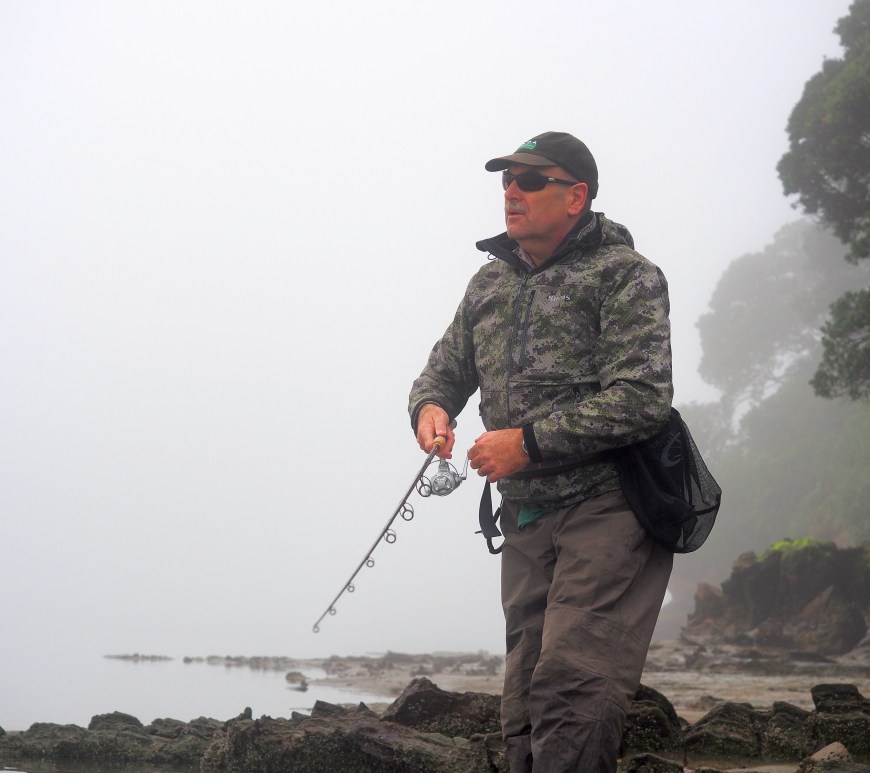
Stalking The Flats – “What to Look For” The most important skill to be learned in order to spin fish estuaries effectively is identifying where fish are likely to be located. This process starts well before you reach the water. In fact, it starts as soon as you get out of your vehicle. The first thing that I’m looking for are the channels which drain … Continue reading STALKING THE FLATS – “WHAT TO LOOK FOR”

Sticky post

HOW TO FIND AND STALK THE FLATS

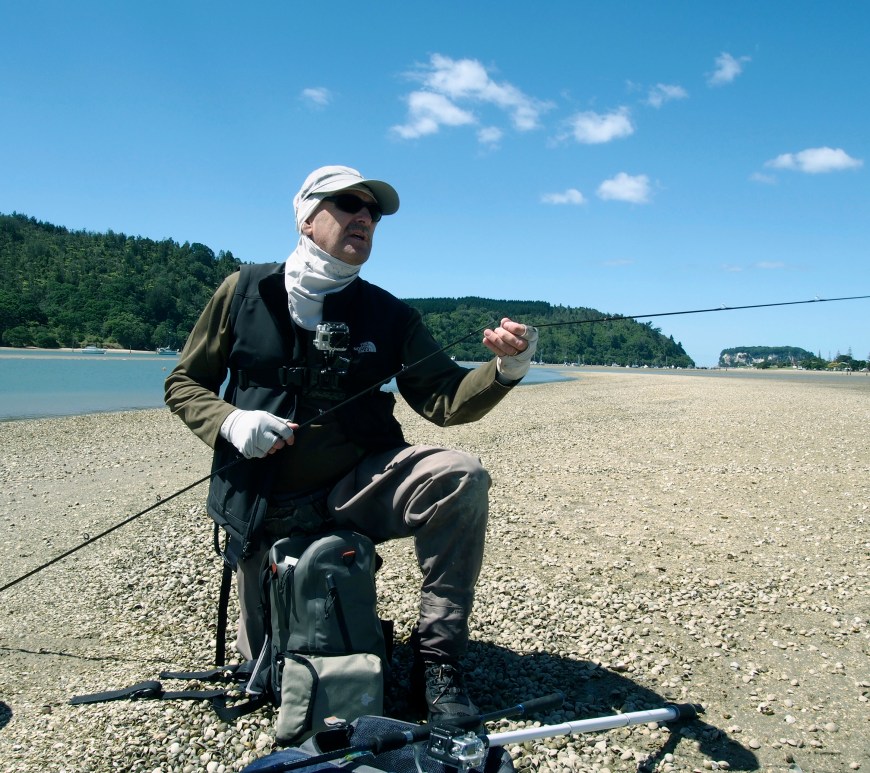
Text: Alan Bulmer        Images: Paul Smith & Mark Hoffman New Zealand has around 15,500 kilometres of coastline and as a consequence is blessed with lots of harbours and river mouths for anglers to explore. Most hold large numbers of fish and a surprising proportion of these may be trophy specimens. Estuarine environments are often dominated by large expanses of sand or mud which are fully … Continue reading HOW TO FIND AND STALK THE FLATS