FIGHTING FISH FROM THE SHORE

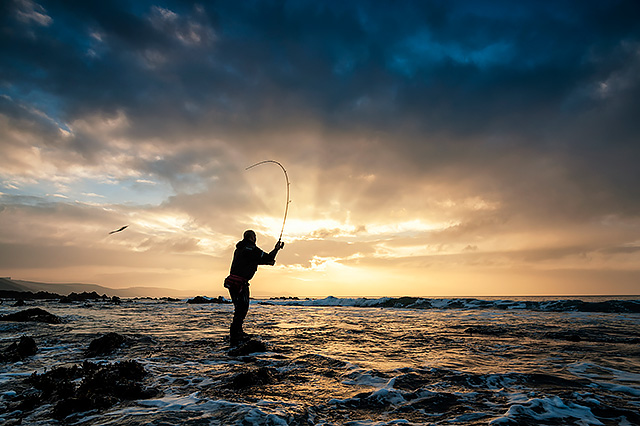
When I was young and starting out on my shore based fishing journey all of the focus was on hooking the fish. The process of fighting fish once they were hooked was almost an afterthought. My father really only had four pieces of advice and when I did hook up on my first trout he pretty much left me to my own devices which, unfortunately, often … Continue reading FIGHTING FISH FROM THE SHORE

Sticky post

WHY PREDATORY FISH USE SHADE TO AMBUSH PREY

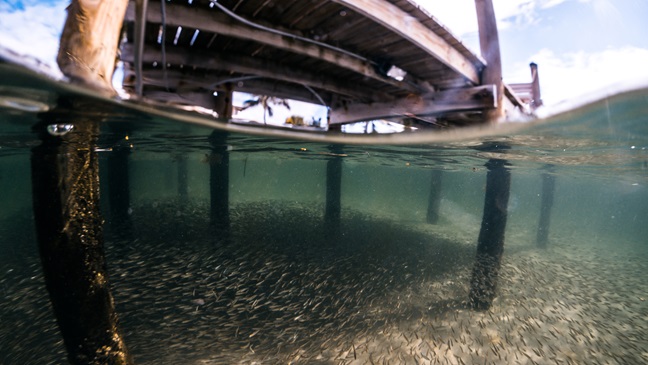
Predators are very skilled at using shade to ambush prey. Whether it be hiding in wait under a moored boat or wharf, attacking prey in the margins at dawn when the light angle is low and the prey is staring directly into the rising sun or hiding behind a sunken obstruction in a river, predators regularly use shade to improve their chances of success when feeding. … Continue reading WHY PREDATORY FISH USE SHADE TO AMBUSH PREY

Sticky post

HOOK PENETRATION

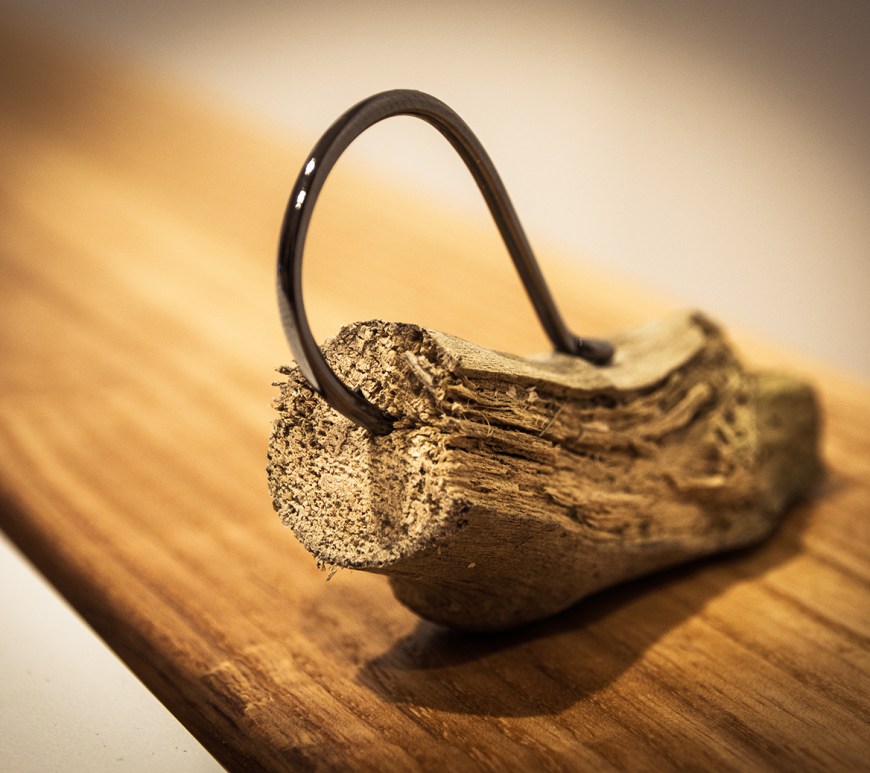
Hook penetration is one of the most important aspects of fishing and probably the least well understood. The aim of this article is to help clear up some of the confusion. The sharpness, length and profile of the point all govern how far the hook point will penetrate into the flesh in and around the mouth of a fish. The barb is the projection extending backwards … Continue reading HOOK PENETRATION

BAIT – THE ENVIRONMENTAL IMPACT

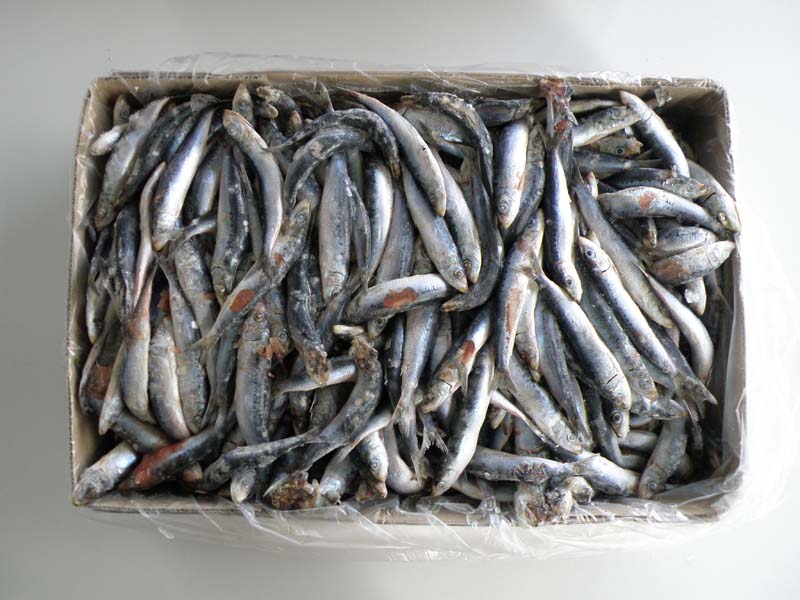
Let me say from the outset that this article is not intended to denigrate those who use bait to catch fish in any way. It is a time honoured, effective and legal way to fish and I have the utmost respect for those fishermen who can seemingly catch fish at will using bait. The aim of the article is to show just how much bait … Continue reading BAIT – THE ENVIRONMENTAL IMPACT

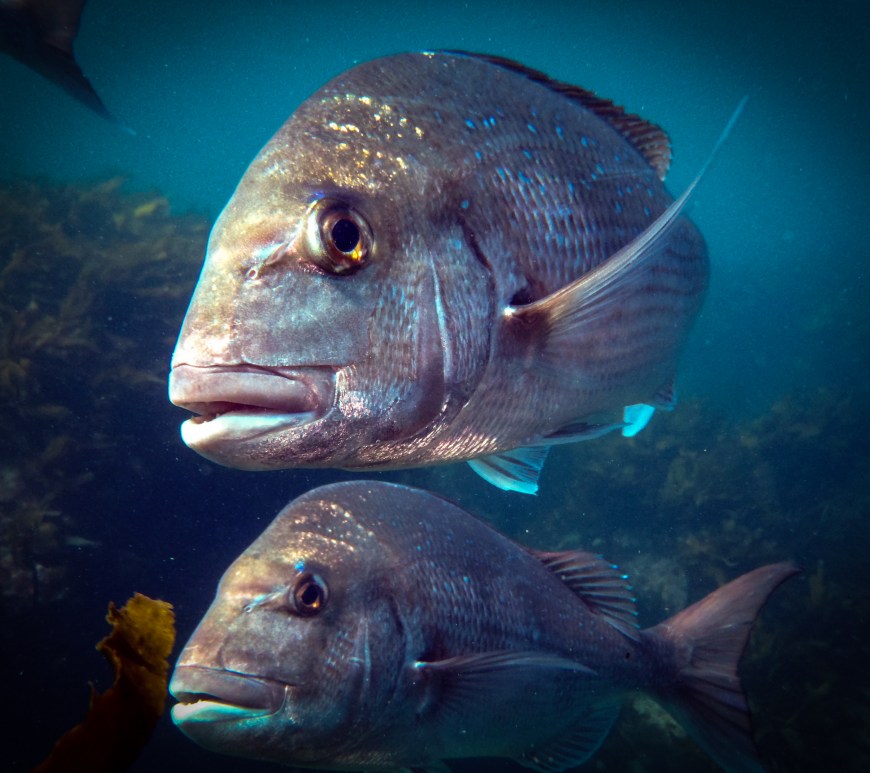
SNAPPER ON THE FLATS

In Stalking the flats – Part 2, I discussed what to look for when walking across the flats. I mentioned that “I am always on the look-out for freshly dug depressions in the sand and shell, roughly 0.5 – 1 metre in diameter. These depressions are often easy to spot as entire areas will be pockmarked with them and they are surrounded by piles of … Continue reading SNAPPER ON THE FLATS

WHY LONGER RODS ARE BETTER

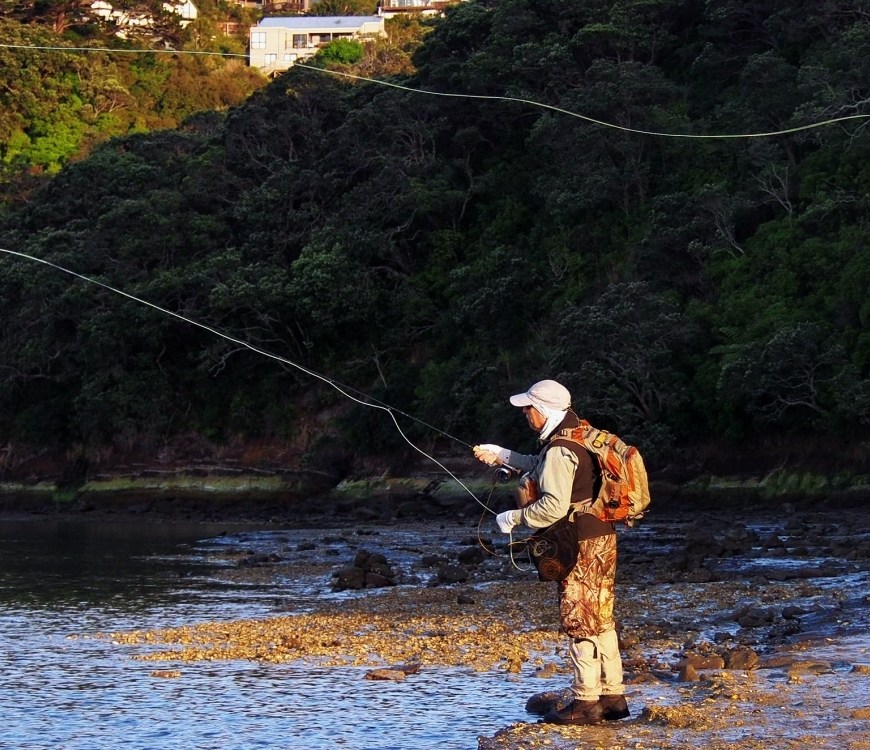
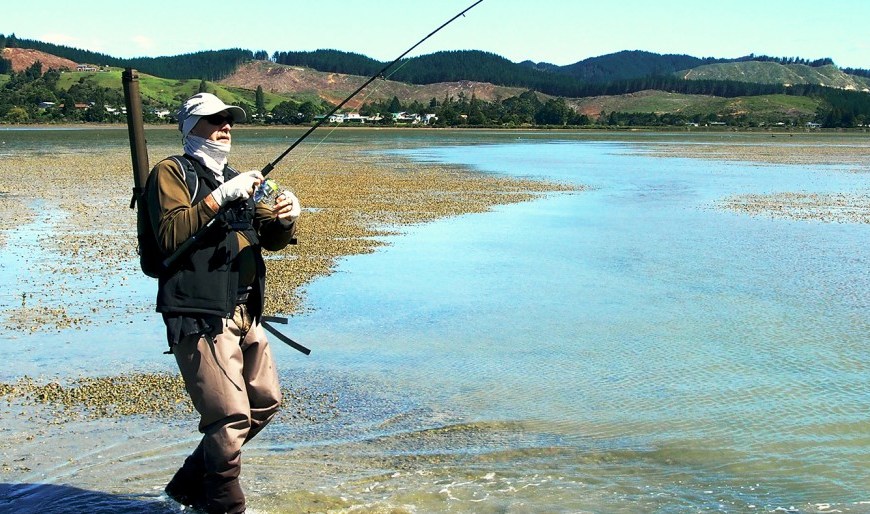
Over the past few years I have become steadily more convinced that longer spinning and fly rods are ideal for use on wide estuarine flats, especially spinning rods 9’ (2.74 metres) or longer and fly rods of around 9’6” (2.89 metres). There are many reasons for this change in thinking but simple physics and improved rod manufacturing technology are the primary drivers. SPINNING RODS Let’s … Continue reading WHY LONGER RODS ARE BETTER