Sticky post

HOW TURBIDITY AFFECTS FISH BEHAVIOUR

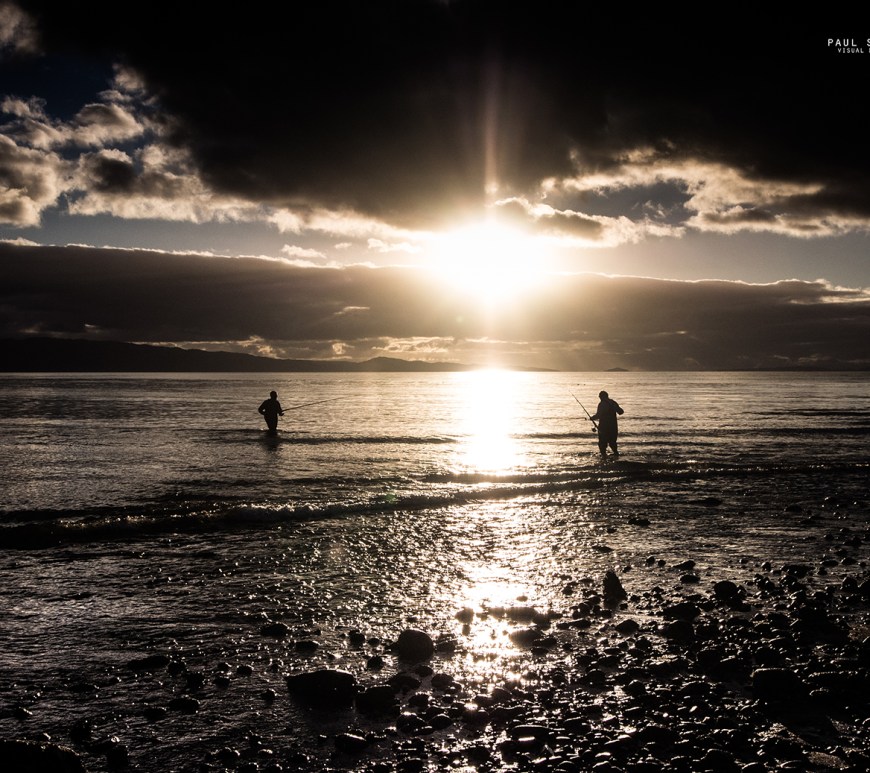
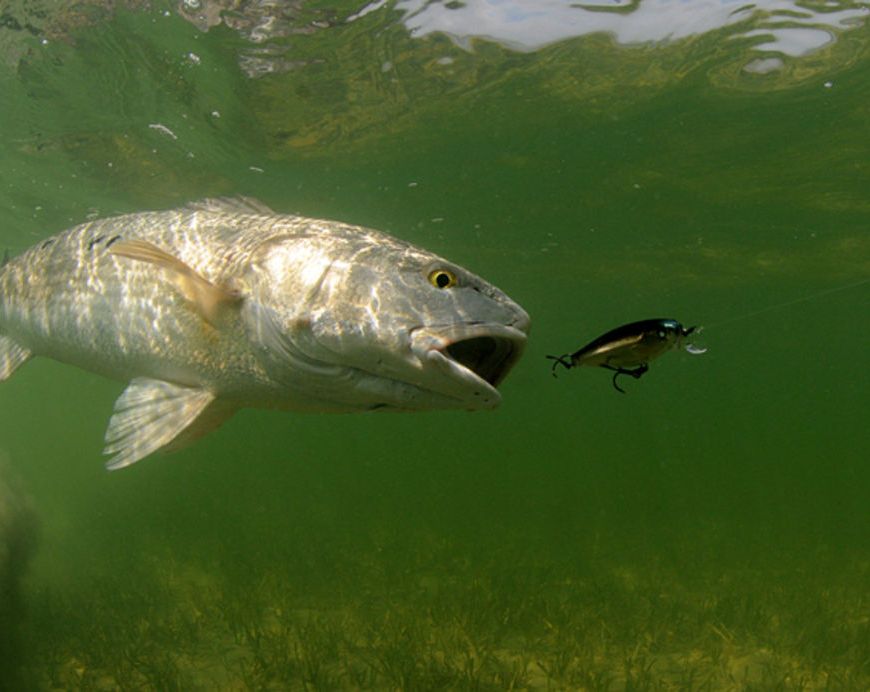
For many years now I’ve noticed that catch rates are affected by the optical clarity of the water. Generally I have greater success if the water is optically clear than when it is murky or cloudy and full of suspended sediment. It is still possible to catch fish when the water is murky but it requires a change in tactics. More about that later. Turbidity … Continue reading HOW TURBIDITY AFFECTS FISH BEHAVIOUR

Sticky post

BASS FEEDING BEHAVIOUR

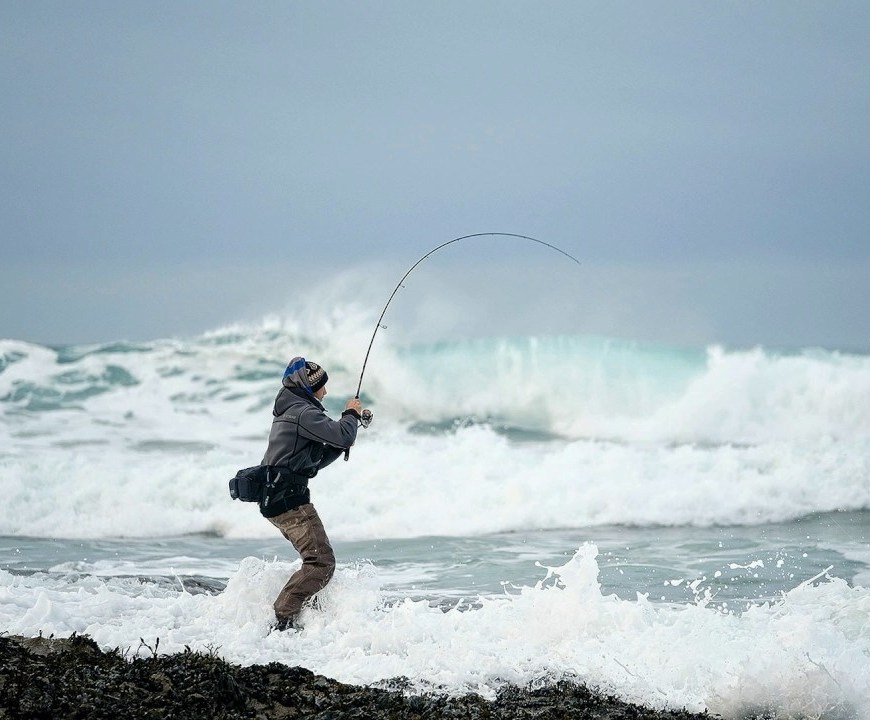
Text: Mike Ladle         Lead image: Henry Gilbey (http://www.henry-gilbey.com) In order to successfully target bass with lures and flies it is essential to gain a detailed understanding their feeding behaviour. The southern and western coasts of the British Isles are almost at the northern limit of distribution of bass although this is slowly changing due to global warming.  Bass in this area are slow-growing and large specimens of … Continue reading BASS FEEDING BEHAVIOUR

Sticky post

THE BAROMETRIC PRESSURE MYTH

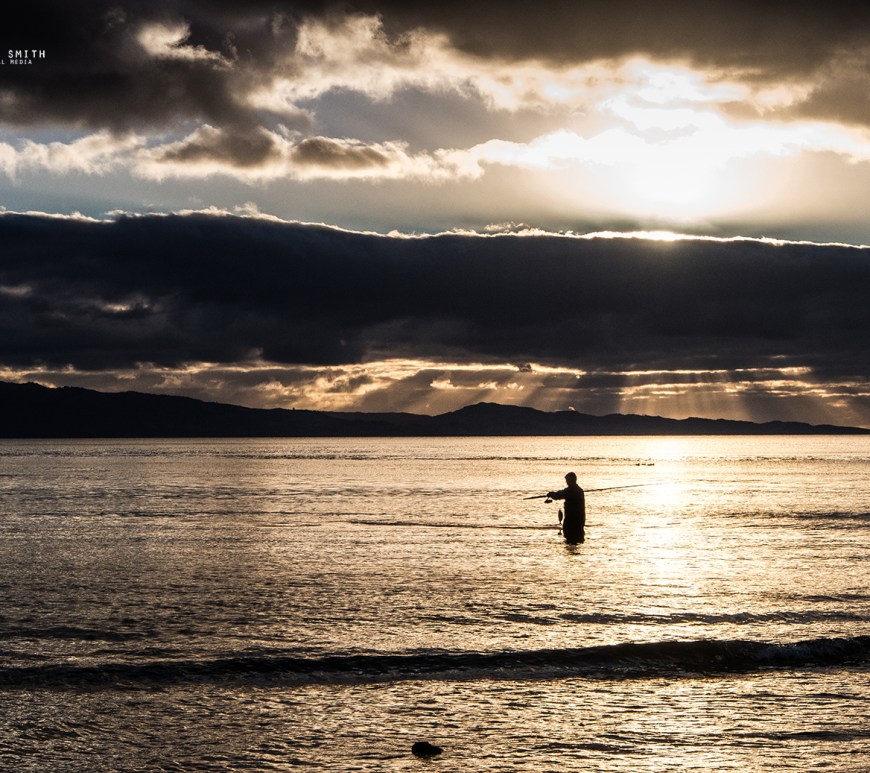
Lead image: Paul Smith For some time now I’ve been fascinated by the claim that fish feeding behaviour is largely influenced by changes in barometric pressure. The fascination started when I read Ronald Reinhold’s book “Predicting the Bite” (ISBN 978-0-578-04734-8) which discusses how to predict when fish will be feeding based largely on changes in barometric pressure. Reinhold is convinced that barometric pressure is responsible for fish … Continue reading THE BAROMETRIC PRESSURE MYTH

Sticky post

FISH DIGESTION AND HOW IT DRIVES FEEDING BEHAVIOUR

Lead image: Grant Bittle (https://www.catchfishing.pro/) Recently I was contacted by a good friend and asked if I could help explain a feeding phenomenon he had observed. It was a spring tide in Dorset and millions of helpless seaweed fly maggots were being washed into the ocean with every crashing wave. Bass were clearly visible gorging themselves on the maggots and it appeared that they were … Continue reading FISH DIGESTION AND HOW IT DRIVES FEEDING BEHAVIOUR

Sticky post

THE SINGLE LURE EXPERIMENT

Most anglers like nothing better than to show off their lure collection and generally it is an eclectic mixture of lure types and colours. Collections are very personal and most of the lures were purchased for a specific species or reason. However, irrespective of how many lures an angler owns, it is likely that the great majority never get used and when they occasionally do … Continue reading THE SINGLE LURE EXPERIMENT

THE GROWTH PATTERNS OF FISH

Text: Mike Ladle                                Lead image: Ty Sawyer To many, if not most anglers, the anticipation, though not always the realisation, of catching large numbers of big fish is basic to their enjoyment of the sport. For the sea angler the possibility of catching large fish, perhaps even larger than any previously landed, is ever-present. This element of the unknown is psychologically important to us all. … Continue reading THE GROWTH PATTERNS OF FISH

Sticky post

HOW TO STOP HOOKS BREAKING

Lead image: Game Fishing Asia One of the most frustrating things that an angler using lures can experience is losing a solid fish due to a hook breaking or pulling out. Why do hooks break and is there anything that can be done to reduce the likelihood of hooks breaking? Aside from casting damage, the two most common reasons that hooks break are work hardening or stress corrosion … Continue reading HOW TO STOP HOOKS BREAKING

Sticky post

UNDERSTANDING FOG AND HOW IT AFFECTS FISHING

Images: Mark Hoffman and Alan Ang Several times recently I’ve ventured out onto the flats at dawn and encountered foggy conditions. On the first occasion it was a thick “pea souper” with low visibility and two of us only hooked one fish in the entire session. Interestingly the fish took as the fog was finally starting to lift but it was an isolated incident as … Continue reading UNDERSTANDING FOG AND HOW IT AFFECTS FISHING

Sticky post

USING TIDES TO PREDICT WHEN TO FISH

Text: Mike Ladle      Lead image: Paul Smith The tides, the weather, and the manner in which these effect the sea are crucial to understanding the behaviour and feeding patterns of sea fishes. The tides are due to a double bulge of water, on either side of the earth, caused by the attraction of the moon. If the moon was stationary in relation to the rotation of … Continue reading USING TIDES TO PREDICT WHEN TO FISH

Sticky post

SPOOLING BRAID PROPERLY

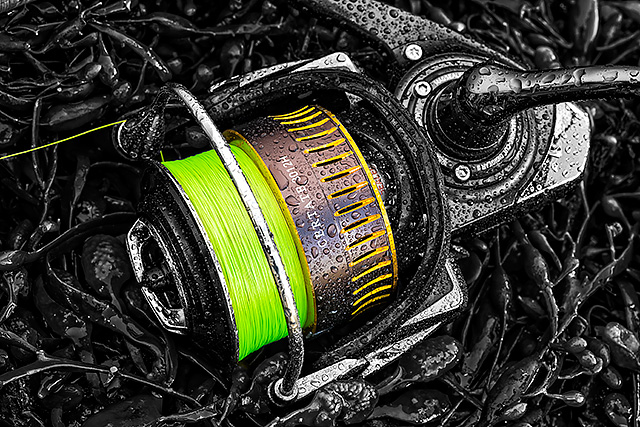
Lead image: Henry Gilbey (www.henry-gilbey.com) When using braid it is critical to spool spinning reels properly to avoid wind knots. Most manufacturers of spinning reels made for use with braid are aware of the importance of line lay and have designed the rotor and line roller to fill the spool evenly from top to bottom with braid of a specified diameter. If you use the correct diameter … Continue reading SPOOLING BRAID PROPERLY